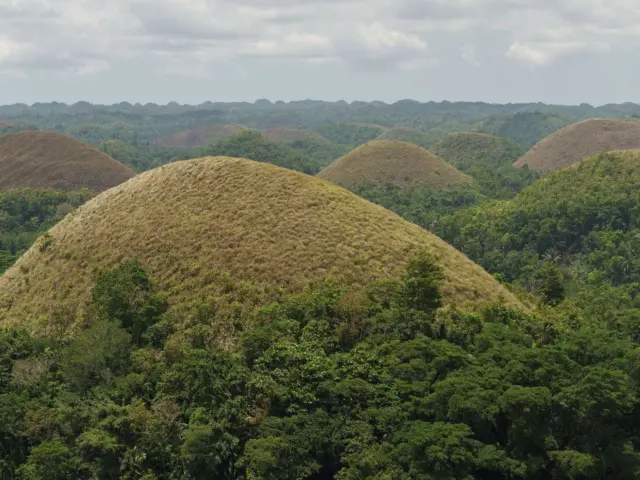
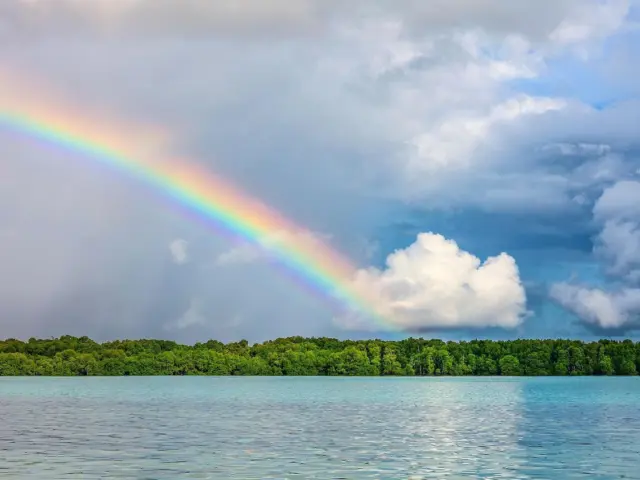
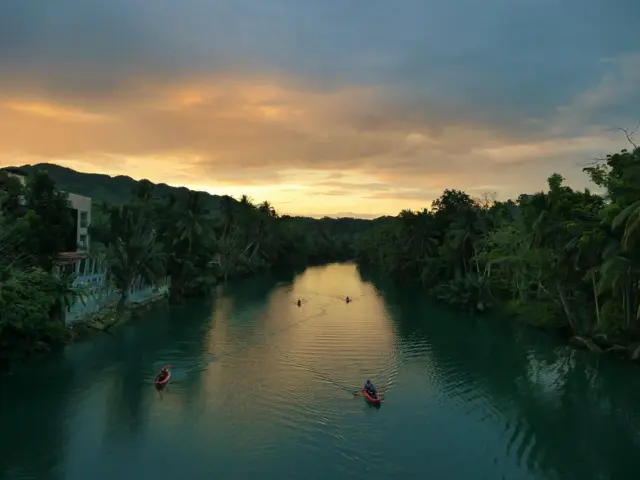
The Bohol Biodiversity Complex in Bilar is a provincial nursery and ecotourism site for native trees. Visitors learn to identify local species and can plant a tree, while the nursery raises rare Bohol seedlings for forest restoration across the island.
It is one of the quieter stops among the things to do in Bohol, and it suits travellers who would rather understand how a forest is rebuilt than chase a viewpoint. This guide is independent. It is not run by, or affiliated with, the complex, the Bohol provincial government or the Department of Environment and Natural Resources (DENR).
What the complex is and why it exists
The complex stands in Bilar, which the Bohol Provincial Tourism Office describes as an interior town northeast of Loboc. According to PhilAtlas, Bilar is a landlocked municipality with 19 barangays and a 2020 Census population of 18,512, so the setting is inland, away from the beach resorts.
The site exists because of provincial law. The Bohol Times reported in 2022 that the complex has existed since the Bohol Environmental Code of 1998 placed it there, to help protect and conserve the island’s flora and fauna, particularly its endemic tree species. In practice that makes it a working seedling farm first and a visitor attraction second.
The provincial government still reports on the nursery. In a report presented on June 1, 2026, the Bohol Provincial Environment Management Office said it maintained an endemic nursery in Bilar holding 58,591 native tree seedlings and had distributed 33,246 seedlings to various stakeholders for restoration, according to the Provincial Government of Bohol. Those totals show the scale of the operation: a nursery that supplies planting projects around the province, not a garden for display.
Native trees, dipterocarps and the nursery’s purpose
Much of the complex’s value lies in which trees it grows. Dipterocarps are the tall, straight hardwood giants that once dominated Bohol’s lowland forests. A report carried by Bohol Island News in 2023 quoted the centre’s chief forester as saying that, of the 19 hardwood species found in Bohol, 13 are critically endangered or vulnerable to extinction anytime soon. Seedlings from a nursery like this one are one of the few ways to put those species back on the land.
The same report explains why native planting matters. Dipterocarps have 5 to 10 year fruiting cycles, so they replace themselves slowly. Fast-growing introduced trees are different: the foresters quoted note that mahogany is capable of fruiting twice a year and can dominate an understorey once it establishes. The centre’s chief said the centre has totally banned exotic species in reforestation projects because of their tendency to be invasive, and the list of exotic trees to avoid in the report includes African tulip, mahogany, acacia or rain tree, and others.
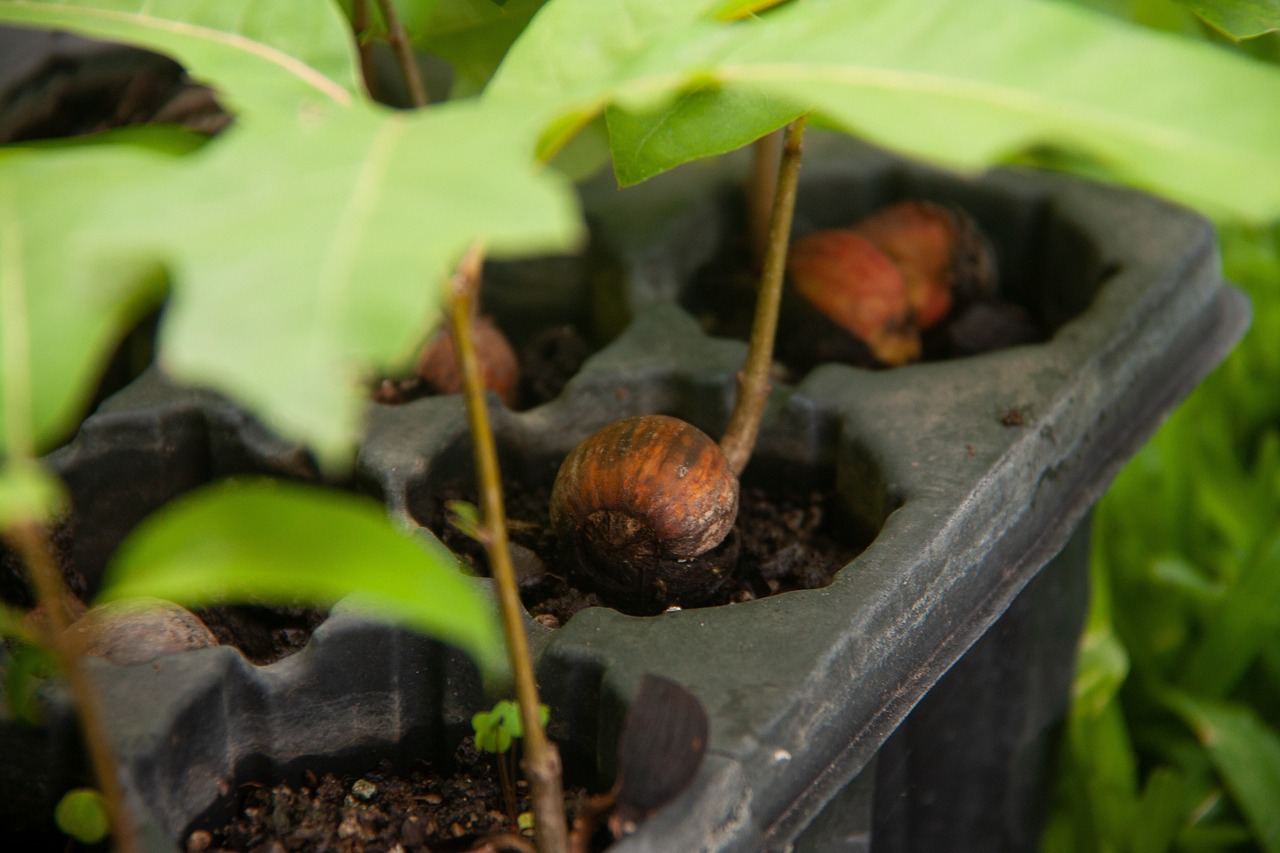
Seedlings from the Bilar nursery also leave the island’s interior. When an upland planting began in Pilar in 2022, a provincial environment office representative told The Bohol Times that all the endemic trees supplied were grown at the Bohol Biodiversity Complex in Bilar. The planting drew on 50,000 upland trees from the complex’s endemic tree farm, part of a wider programme to recover forest cover lost over past decades.
What visitors can do on site
The Bohol Provincial Tourism Office lists the site on one of its day-trip itineraries as the “Bilar Biodiversity Complex”. That itinerary says that visitors will learn how to identify different tree species and can even plant their own tree. It pairs the stop with others in Alburquerque, Loay and Batuan, so the complex works as one chapter of a countryside day rather than a destination on its own.
A published visitor account of a countryside tour adds colour about the grounds. It says the complex houses a training center, organic vegetable gardens and a greenhouse, and describes a tree-planting activity in which the saplings visitors plant are looked after by the centre until they reach maturity, according to a travel blog. The account is a visitor’s description, so facilities and activities can differ today.
Planting a tree here differs from a typical tourist activity because the stock is native or endemic rather than ornamental. The nursery’s stated job, set by the provincial code, is to protect the island’s endemic trees, so a visitor’s sapling joins that effort instead of adding a decorative exotic.
Admission, opening days, group arrangements and tree-planting availability are not listed in this guide, because they change; check them with the complex or the Bohol Provincial Tourism Office (tourism.bohol.gov.ph) before travelling.
The forest landscape around Bilar
The complex is a nursery and training site, but the surrounding country is where the restored forest idea becomes visible. Bilar is one of the municipalities covered by the Rajah Sikatuna Protected Landscape, which the tourism office calls the largest remaining forest in Bohol, made up of forested karst limestone areas. It was first declared a national park under Proclamation No. 129 on July 10, 1987.
The protected landscape status came later. Proclamation No. 287, signed on April 23, 2000, declared the national park a protected area under the National Integrated Protected Areas System, with an approximate area of 10,452.60 hectares. It names the municipalities of Carmen, Sierra Bullones, Garcia Hernandez, Valencia, Dimiao, Bilar and Batuan, and places the area under the administrative jurisdiction of the DENR. That makes it a separate site with a separate manager from the provincial nursery.
A DENR Region 7 account reported by The Freeman in January 2013 put the number of bird species recorded in the park at 120, and said the DENR had implemented a rule against hunting, collecting, killing and harvesting wildlife species there. For visitors, the practical message is simple: the protected landscape is for watching, not taking.
Combining the visit with other stops nearby
The most common neighbour is the Bilar man-made forest. The tourism office says this stretch spans over two kilometers along the borders of Loboc and Bilar and consists primarily of white and red mahogany trees planted as part of a reforestation initiative begun more than half a century ago. The two sites make an interesting contrast. The roadside stand shows one era of reforestation using a fast-growing introduced species, while the complex raises the slow, native species that foresters now prefer, as the report mentioned above explains.
The river valley to the southwest is a natural second stop, since Bilar lies northeast of Loboc. The loboc river cruise guide covers the floating restaurants and the story of the Loboc River for travellers who want to add a relaxed river meal to the day.
For a very different habitat, the bohol mangrove tour guide describes coastal forest, which makes a good companion to a day spent among upland trees. Together they show two sides of the island’s forest story: the hills that supply water and timber species, and the shoreline that buffers storms.
Visiting the complex with care
The complex is a living nursery, so a few habits help. Stay with the staff or guide on site, keep to marked paths and workspaces, and ask before photographing people at work. Do not pull wildlings, seeds or cuttings from the grounds or from the surrounding forest; the stock is cared for and counted, and the protected landscape nearby bans collecting.
If wildlife appears, watch it from a distance. Never feed animals, and avoid flash photography around birds, bats or other forest animals.
Because the site is a working provincial facility, plan the trip as a contact-first visit. Check the following with the Bohol Provincial Tourism Office, or with the complex directly, before setting out: whether the site is open on the intended day, the admission arrangement, whether a tree-planting session can be scheduled, and how to reach Bilar from the base town.
Frequently asked questions
What is the Bohol Biodiversity Complex?
It is a provincial facility in Bilar that raises native and endemic tree seedlings and offers education and tree-planting experiences, created under the Bohol Environmental Code of 1998.
Can visitors plant a tree there?
The Bohol Provincial Tourism Office’s day-trip listing says visitors can plant their own tree. Whether a session is available on a given day is something to confirm before travelling.
Is the complex the same as the Bilar man-made forest?
No. The man-made forest is a roadside mahogany stand between Bilar and Loboc, while the complex is a nursery that grows native seedlings. They are close enough to combine in one trip.
Is it inside the Rajah Sikatuna Protected Landscape?
The protected landscape is a DENR-administered area covering several municipalities, including Bilar. The nursery is run through the provincial environment office, so they are treated here as separate sites; confirm any boundary question locally.
Who should be contacted for admission and hours?
Contact the Bohol Provincial Tourism Office through its official website, tourism.bohol.gov.ph; this independent guide is not the tourism office and takes no bookings or inquiries, and the complex itself can answer questions about its own schedule.